
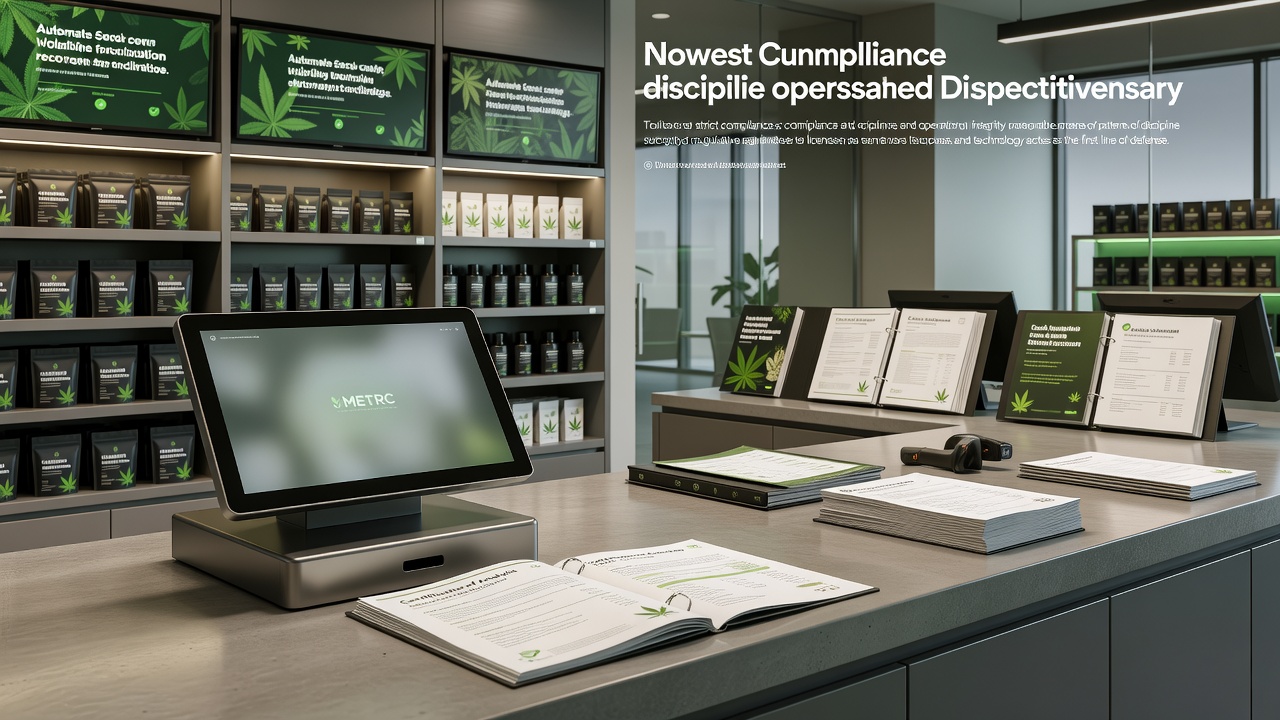
Discipline is the quiet variable behind every durable retail business, and cannabis is no exception. A dispensary that treats compliance as optional, or as something to apologize for after the fact, is running the same play as an organization that lets bad behavior slide because the star performer brings in revenue. Eventually the bill comes due - and in regulated cannabis, that bill tends to come with license consequences attached.
Why Compliance Culture Beats Compliance Paperwork
Here's the catch: plenty of operators have a compliance binder that looks airtight on paper - seed-to-sale tracking logged in METRC, COAs filed for every batch, packaging that meets child-resistant standards. But a binder isn't a culture. The dispensaries that actually hold up under a state audit are the ones where budtenders, inventory managers, and ownership all understand that cutting a corner once invites cutting it again. That's not a philosophical point; it's an operational one. A single mislabeled batch or a skipped age-verification check doesn't stay isolated. It becomes the thing a regulator points to when deciding whether your next license renewal gets a rubber stamp or a hard look.
The Cost of Letting Small Violations Slide
Multi-state operators in particular have learned this the hard way. A store manager who lets inventory shrinkage go unaddressed, or a budtender who waves through a sale without proper ID verification, is a liability that compounds. Regulators don't generally suspend a license for one infraction any more than a coach benches a player for a full contest over one bad moment - but patterns get noticed. States with social equity provisions and strict license caps are watching compliant operators closely, in part because every enforcement action against a bad actor reinforces the argument that the whole industry needs tighter oversight. That's a cost every licensed operator pays, not just the one who got caught.
Point-of-Sale and Inventory Systems as the First Line of Defense
In practice, though, most compliance failures aren't dramatic. They're small, boring, and preventable - a POS terminal that isn't syncing properly with the state's tracking system, a wholesale menu that lists a product batch after its testing window has expired, a delivery manifest filled out in a hurry. These are the equivalent of the routine plays that don't make the highlight reel but determine whether the business is still standing in five years. Retail technology vendors have built tools specifically to close these gaps - automated alerts for expiring COAs, inventory reconciliation that flags discrepancies before they become shrinkage write-offs, cashless payment integrations that reduce the cash-handling risk that has long made dispensaries a target.
What Ownership Actually Controls
None of this is glamorous. To put it plainly, the operators who win long-term in this industry are the ones who treat discipline as a competitive advantage rather than a regulatory burden. That means:
- Enforcing age verification and ID checks consistently, not selectively, at every register
- Maintaining accurate, timely compliance logs rather than reconstructing them before an inspection
- Training staff on packaging and labeling rules so a single mistake doesn't trigger a product hold
- Treating lab testing and COA documentation as non-negotiable, not a line item to rush
The dispensaries that still believe swagger and charisma can substitute for discipline eventually find out what every well-run program already knows: the market, like a regulator, keeps score in the end - and it doesn't forget.