
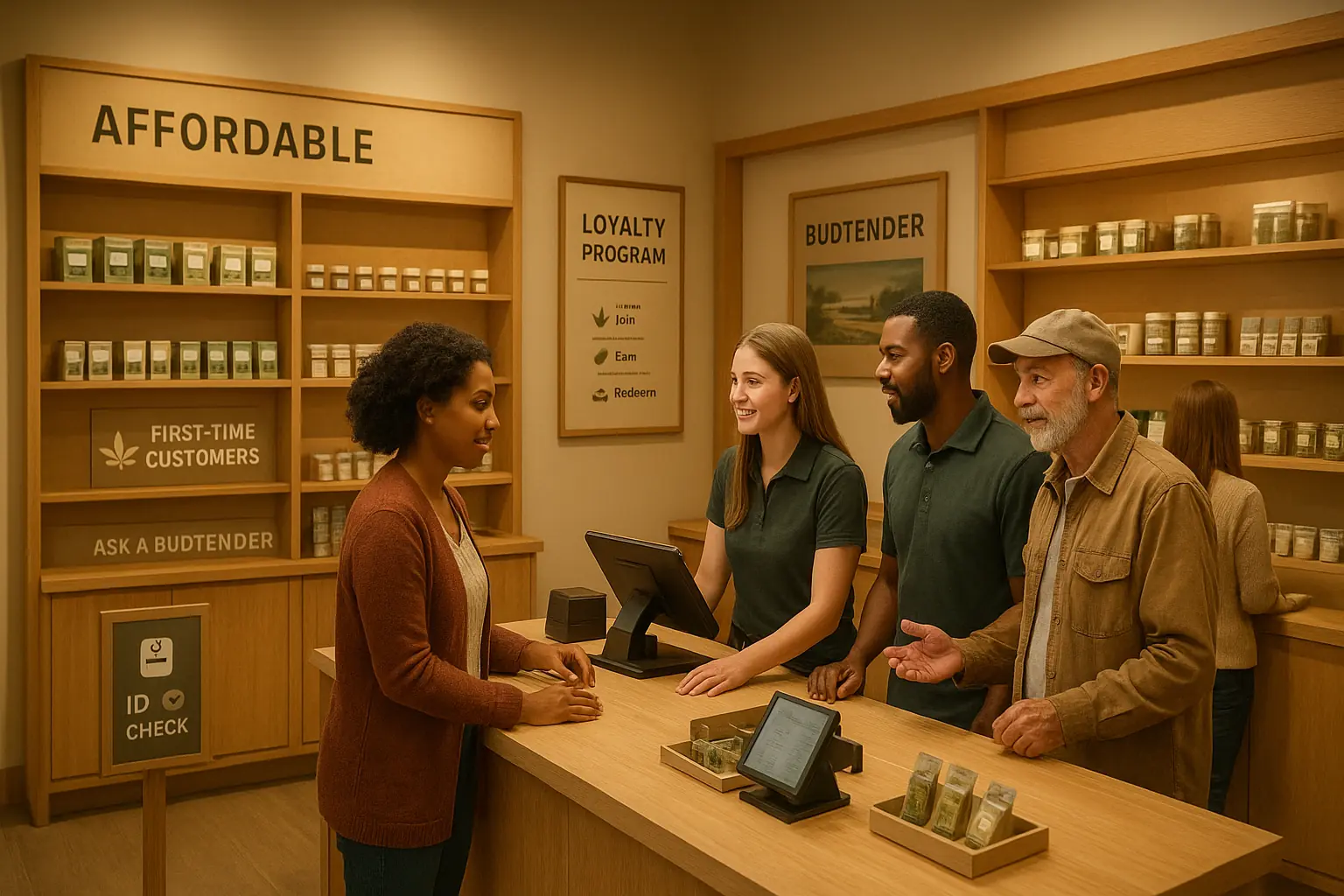
When a new retail concept opens in an underserved or unexpected location, the early moves - pricing strategy, customer segmentation, brand positioning - tend to define whether it finds a durable audience or fades after the novelty wears off. That dynamic applies as directly to licensed cannabis dispensaries as it does to any other regulated retail category. Operators entering smaller or secondary markets face a version of the same fundamental question: how do you build a business that the local community actually claims as its own?
It's a question that dispensary operators in mid-Atlantic and Midwest markets have been wrestling with as adult-use programs mature and competition tightens. Accessible pricing tiers, welcoming physical environments, and deliberate outreach to first-time or infrequent customers are all levers operators can pull. Retail infrastructure matters here, too - the right dispensary software maryland deployment, for instance, directly affects how efficiently a store handles customer flow, inventory visibility, and compliant transaction records, all of which shape the in-store experience for someone walking through the door for the first time.
The parallels to other regulated-retail categories are instructive. A tiered pricing model - where entry-level products are genuinely affordable and the premium shelf is clearly differentiated - removes a significant barrier for new customers. That's not just good marketing; it reflects sound inventory management. When a point-of-sale system tracks SKU-level velocity accurately, operators can keep accessible price points stocked consistently rather than letting them run out while higher-margin products sit. Stockouts on entry-level SKUs frustrate exactly the customers a dispensary most needs to retain.
First-Time Customers Require a Different Retail Calculus
There is a real operational cost to onboarding a first-time cannabis customer that many operators underestimate. Compliance requirements - ID verification, purchase limits, mandatory product disclosures - slow the transaction. Staff time per ticket runs longer. The margin on that first visit may look thin. But the lifetime value calculation changes considerably if that customer returns consistently. Retention, not acquisition, is where most cannabis retailers actually build their economics.
This is where physical environment and staff training intersect with compliance. A store that feels approachable and unhurried - that doesn't make a new customer feel judged or rushed - is doing something operationally intentional, not just aesthetically pleasant. Budtender training programs that pair product knowledge with low-pressure consultation skills pay off on the revenue side as well as the compliance side, since informed customers are less likely to make purchases they later regret or escalate into complaints.
Pricing Discipline and Regulatory Constraints Travel Together
One constraint that distinguishes cannabis retail from most other consumer categories: operators cannot simply price their way into market share without watching the excise tax math carefully. In most adult-use states, excise taxes are applied at a rate that makes deep discounting structurally difficult at the bottom of the margin stack. Promotional pricing, loyalty programs, and bundled offers must all be structured within state advertising and pricing rules - which vary considerably and are enforced with varying intensity depending on jurisdiction.
Here's the catch: what works as a promotional strategy in one state may constitute a compliance violation in another. Multi-location operators running even a modest regional footprint need tightly documented pricing policies, not just store-level discretion. The compliance log isn't a back-office formality. It's the paper trail that protects the license.
The broader point - one that applies whether a cannabis retailer is opening in a rural Wisconsin county or an urban Maryland neighborhood - is that accessible, community-oriented retail doesn't happen by accident. It requires deliberate decisions about pricing architecture, staff culture, physical design, and technology infrastructure that all point in the same direction. Get those aligned, and a dispensary can build exactly the kind of rooted local loyalty that makes a business last past its opening year.