
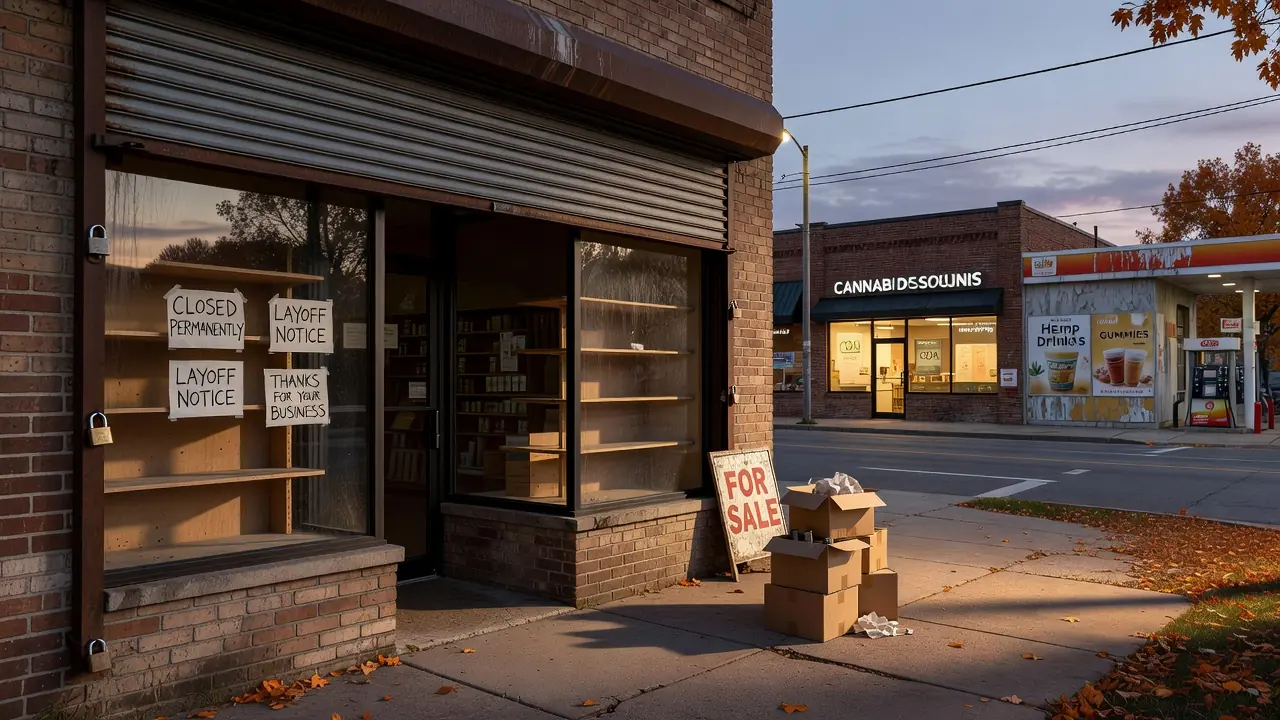
A federal crackdown on intoxicating hemp products officially entered its first phase today, but almost nothing changed for retailers nationally. The real disruption is happening in a handful of states that decided not to wait for Washington and shut down hemp sales on their own timeline - forcing some shops to close their doors with little warning.
A two-year-old loophole, closing in two stages
The mess traces back to the 2018 Farm Bill, which deregulated hemp so long as plants tested below a set THC threshold shortly before harvest. The catch: cannabis plants concentrate most of their THC late in the growing cycle, and nothing in federal law stopped manufacturers from extracting and concentrating that THC into drinks, gummies, and vapes sold with none of the testing, labeling, or child-resistant packaging requirements that licensed dispensaries must meet. The result has been a parallel, largely unregulated retail channel competing directly against state-licensed operators who carry the full weight of seed-to-sale tracking, COA testing, and excise tax obligations.
Congress moved to close that gap, but under industry pressure split the ban into two phases. Phase one, which took effect today, bans only fully synthetic intoxicants - products like K2 and Spice that were already treated as illegal. Phase two, arriving December 11, is the one that actually targets the hemp-derived THC products sold in gas stations, vape shops, and convenience stores nationwide. For most of the hemp marketplace, in other words, today changed nothing.
Why some states didn't wait
Several states, Missouri among them, scheduled their own state-level hemp restrictions to take effect on the same day as the federal phase-one deadline - effectively fast-forwarding to phase two months early. That mismatch between state and federal timing is already producing real business casualties. A Kansas City hemp retailer described having to lay off her entire staff and close outright, facing fines steep enough to make continued operation impossible on products that were fully legal the day before.
That's the operational risk multi-state operators and single-location shops alike now have to model: compliance isn't one deadline, it's a patchwork of state and federal dates that don't line up, and a business plan built around the later federal date can get wiped out by an earlier state one.
What's at stake for the broader market
Industry estimates cited by economists suggest the full federal ban could eliminate tens of thousands of hemp-related businesses and tens of billions in sales nationally - activity that currently generates state sales tax revenue and supports jobs well beyond retail counters, including cultivation, extraction, and distribution. Licensed cannabis operators, for their part, have lobbied hard for exactly this kind of crackdown, arguing that unregulated hemp products undercut their heavily taxed, heavily tested businesses while reaching consumers, including minors, through channels with none of the age-verification or packaging safeguards dispensaries must follow.
For dispensary owners and compliance teams, the lesson isn't just about hemp - it's a preview of how quickly a regulatory deadline can move, and how little warning a business may get before its product category becomes a liability instead of an asset.