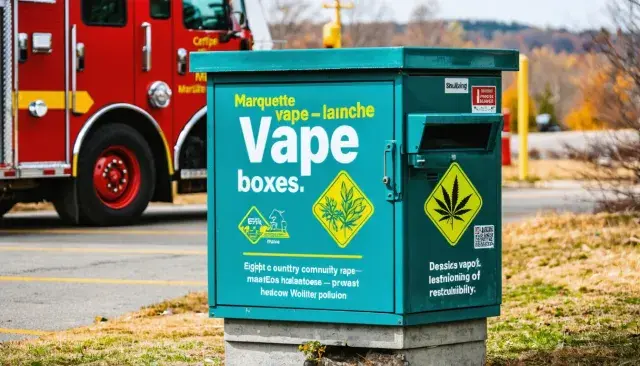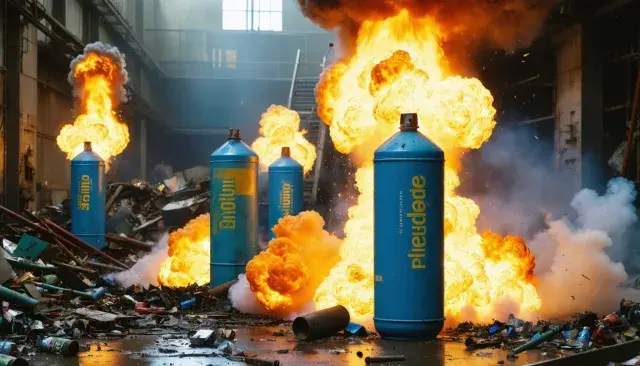
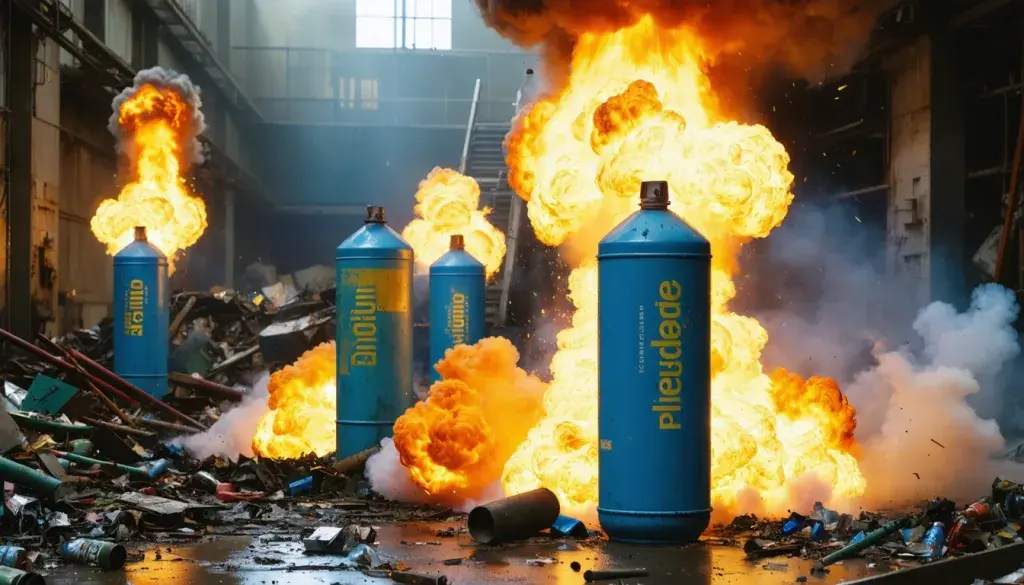
Discarded canisters of nitrous oxide, marketed as whipped cream chargers, are exploding inside Metro Vancouver's waste facilities and endangering workers. The regional district reports rising incidents at its Burnaby waste-to-energy plant, where high-pressure containers damage equipment and pose severe safety risks. Officials urge residents to follow new disposal protocols to avert injuries.
Explosions Threaten Waste Operations
Paul Henderson, Metro Vancouver's general manager of solid waste services, describes canisters up to three litres in size entering regular garbage streams over recent months. These containers, under far greater pressure than propane equivalents, rupture during processing and cause blasts. Damage has already cut productivity at the Burnaby facility, though no worker injuries have occurred so far.
Recreational Drug Use Drives Surge
Nitrous oxide, a colorless gas long used as an anesthetic, produces euphoria when inhaled recreationally from pressurized canisters. Health Canada flagged these products for recall last month after seizing items like Bamboozle, Primewhip, and GreatWhip Max Cream Charger—sold at vape and smoke shops in oversized formats unfit for kitchen use. Metro Vancouver hosted a media tour at its Coquitlam facility Friday to highlight the issue, noting a single load once contained 15 cylinders.
Safe Disposal Guidelines Emerge
Henderson stresses that residents must never toss intact canisters in household garbage. Recycling depots now accept them after valves are removed or puncture holes confirm depressurization. This method prevents explosions while addressing a problem observed on a large scale at European facilities.
Policy Responses and Unresolved Questions
Health Canada's crackdown has curbed the canisters' appearance in local waste, prompting Metro Vancouver to seek federal confirmation that their sale violates regulations. The sudden prevalence baffles officials, who question the volume needed for legitimate whipped cream production. Broader trends in recreational inhalant misuse underscore the need for vigilant border controls and public education on hidden drug vectors.