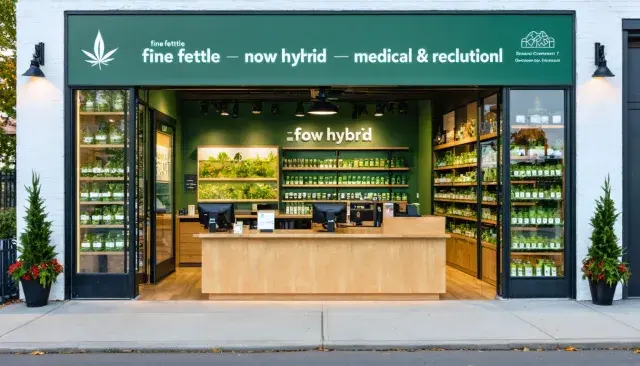
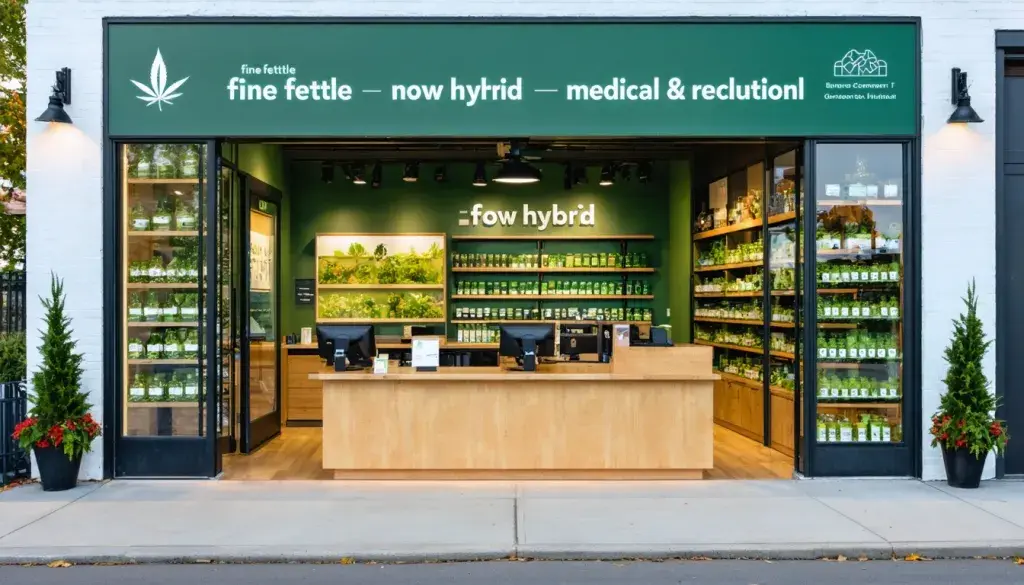
Fine Fettle, a major cannabis dispensary operator in Connecticut, has converted its remaining five recreational shops to hybrid operations, allowing sales to both medical patients and recreational customers at all nine locations starting this week. This full transition comes as the state's medical cannabis program faces a sharp decline, with registered patients falling from nearly 49,000 to under 32,000 since recreational sales launched in early 2023. The move addresses eroding medical access while responding to recent legislative changes that ease such conversions.
Medical Cannabis Program Faces Steep Decline
Connecticut's medical cannabis sales have plummeted, dragging overall state revenue below prior-year levels. Retailers sold $290 million in cannabis last year, down from $293 million the previous year, according to the Department of Consumer Protection. Recreational sales rose by $17.5 million, but untaxed medical sales dropped $21 million.
Experts attribute the slump to patients letting registrations lapse without shifting to the recreational market. Many instead travel to neighboring states for higher-potency products or turn to online vape shops and gas stations selling hemp items. "We have a lot of pressures from the other states around us," said Erin Gorman Kirk, Connecticut's cannabis ombudsman, who supports medical patients.
Fine Fettle's chief operating officer, Ben Zachs, noted the program's struggles: "We believe that the medical program has really gotten hurt over the last few years." He emphasized the need for better access, customer service, and patient-specific offerings.
Legislative Reforms Enable Rapid Expansion
A June 2025 law passed by the General Assembly removed barriers for operators like Fine Fettle. Companies can now convert recreational licenses to hybrid without competing in a lottery. The legislation also relaxed pharmacist requirements: hybrids need a licensed pharmacist on site for just one eight-hour shift weekly, with telehealth available otherwise.
These changes proved critical. Without them, Zachs said, Fine Fettle might have cut pharmacist staff. Instead, "by expanding to nine locations now, honestly, rather than removing any pharmacists, we’re able to expand their reach and breadth."
Kirk welcomed the conversions, hoping they shorten travel for patients seeking compliant medical products.
Operational Overhaul Balances Costs and Growth
Transforming the Manchester, Norwalk, Old Saybrook, Waterbury, and West Hartford stores required extensive work: private consultation spaces, rescheduled staffing, retrained employees, a new remote verification platform, redesigned menus, and multiple inspections. Zachs described it as "a lot," with added inventory demands and lower margins on cheaper medical products.
Yet Fine Fettle views the shift as a net positive. "We think that there’s a need of access for the patients, and so we think it’ll increase our top line," Zachs said. The company anticipates word-of-mouth growth, building loyalty among both patients and recreational buyers.
This expansion underscores broader tensions in regulated cannabis markets, where hybrid models could stabilize access amid recreational dominance and cross-border competition.