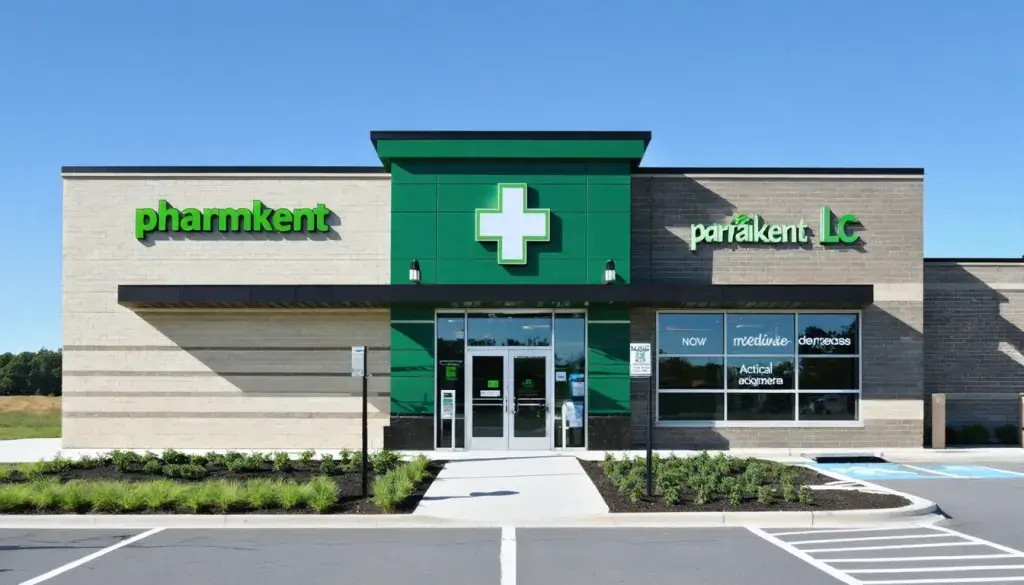
In Elkton and Perryville, Cecil County's two medical marijuana dispensaries are gearing up for operations, with one already accepting patient applications and the other poised to open soon, marking a key step in Maryland's measured statewide expansion of medical cannabis access.
Key Dispensary Developments
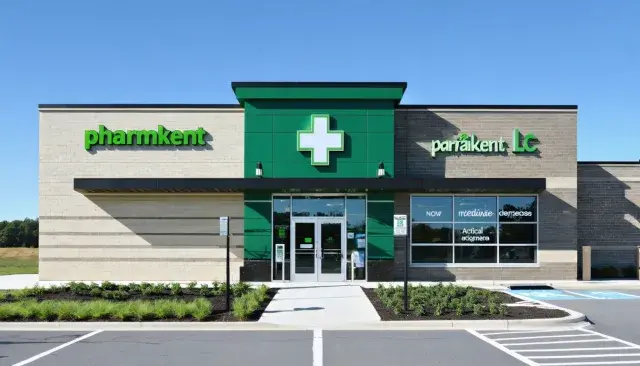
PharmKent LLC at 330 E. Pulaski Highway in Elkton holds a preliminary license and is processing applications from patients with qualifying conditions like chronic pain, cancer, or epilepsy. Managing member Peter Murphy anticipates product sales starting by late December or early January.
Nearby, Nature’s Care and Wellness at 4925 Pulaski Highway in Perryville awaits final licensing. Director Linda Condon plans a January 15 opening, with phone support for state registrations beginning January 2. Patients must obtain a state-issued certificate to purchase.
Background on Maryland's Medical Cannabis Program
Maryland legalized medical marijuana in 2014 via the Maryland Medical Cannabis Commission (MMCC), initially limiting it to nonprofits before transitioning to commercial licenses in 2017. This slow rollout reflects rigorous regulations ensuring product safety, potency testing, and provider training amid federal illegality.
- Over 100 dispensaries statewide now licensed, serving 80,000+ registered patients.
- Qualifying conditions expanded to include PTSD, glaucoma, and HIV/AIDS.
- Products offered: oils, tinctures, vaporizers, excluding smokable flower in early phases.
Health Implications and Broader Trends
For Cecil County residents, these openings promise localized relief from opioid-dependent treatments, aligning with national data showing medical cannabis reduces chronic pain prescriptions by up to 25% in states like Colorado. Public health experts highlight its role in managing nausea, spasticity, and anxiety without high addiction risks of traditional pharmaceuticals.
Yet challenges persist: high costs (up to $15/gram), transportation barriers in rural areas like Cecil, and stigma hindering uptake. As Maryland's program matures, expect fuller integration into healthcare, potentially cutting emergency visits for pain-related issues by 15-20%, per recent studies.
This rollout underscores a cultural shift toward evidence-based cannabis medicine, fostering safer access while prioritizing patient education and oversight.