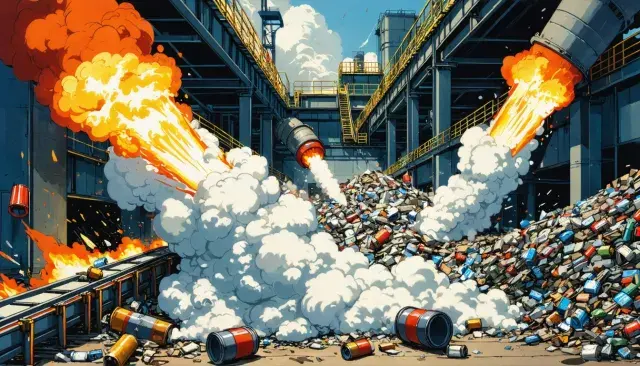
Discarded nitrous oxide canisters are exploding inside Metro Vancouver's solid waste facilities, damaging equipment and threatening worker safety. Paul Henderson, the region's General Manager of Solid Waste Services, confirms these incidents cause costly downtime at the Waste-to-Energy facility in Burnaby. The problem escalates as recreational use drives improper disposal into regular garbage streams.
Danger Arises from Pressure and Processing Stress
Nitrous oxide, known as laughing gas, fills small 8-gram whippets or larger three-litre cylinders under high pressure. Safety data sheets warn these containers may explode if heated, but compaction in trucks or transfer stations delivers percussive shocks that rupture them just as violently. At the Burnaby facility, heat from incineration pre-processes triggers thermal expansion, leading to bursts that produce shrapnel, fire, and chemical exposure risks for personnel.
Operational Disruptions Compound the Hazard
Facilities have recorded as many as 21 explosions from these canisters in a single 24-hour period, halting conveyors and shredders. Such events slash throughput, forcing waste backups across the region and inflating repair costs. Beyond immediate dangers, unchecked entries into the waste stream undermine efficient management of Metro Vancouver's municipal garbage.
Coordinated Prevention Targets Education and Infrastructure
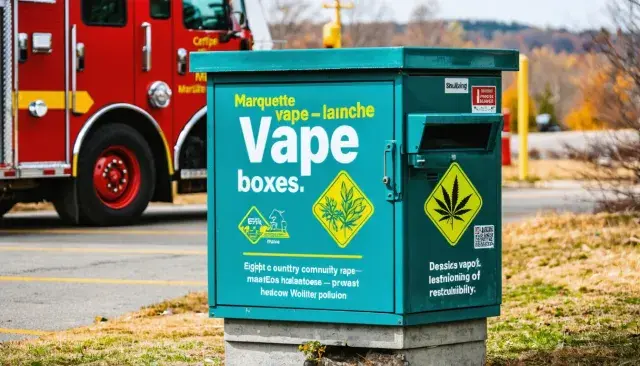
Public campaigns must stress depressurizing canisters fully before disposal—through normal use for whippets or open valves for larger ones—never by puncturing. Retailers selling these products, including vape shops, should deliver clear instructions at purchase. Metro Vancouver depots accept empty canisters as scrap metal if valves show removal or puncture confirms zero pressure.
- Advocate producer take-back programs for safe handling.
- Promote free, accessible drop-offs for household hazardous waste.
- Explore AI-driven sorting to detect metal cylinders early.
Environmental professionals lead by framing pressurized cylinders as hazardous, pushing regulations and outreach to shield workers and sustain waste operations.