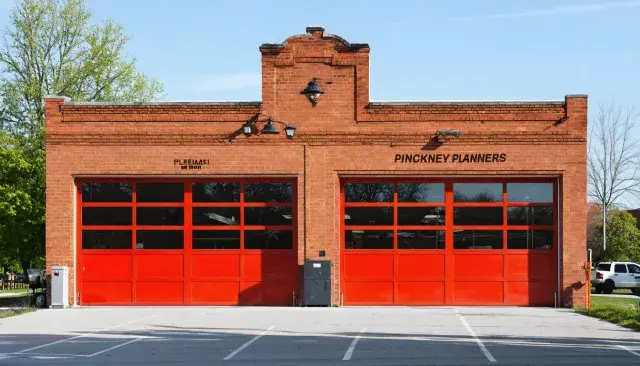
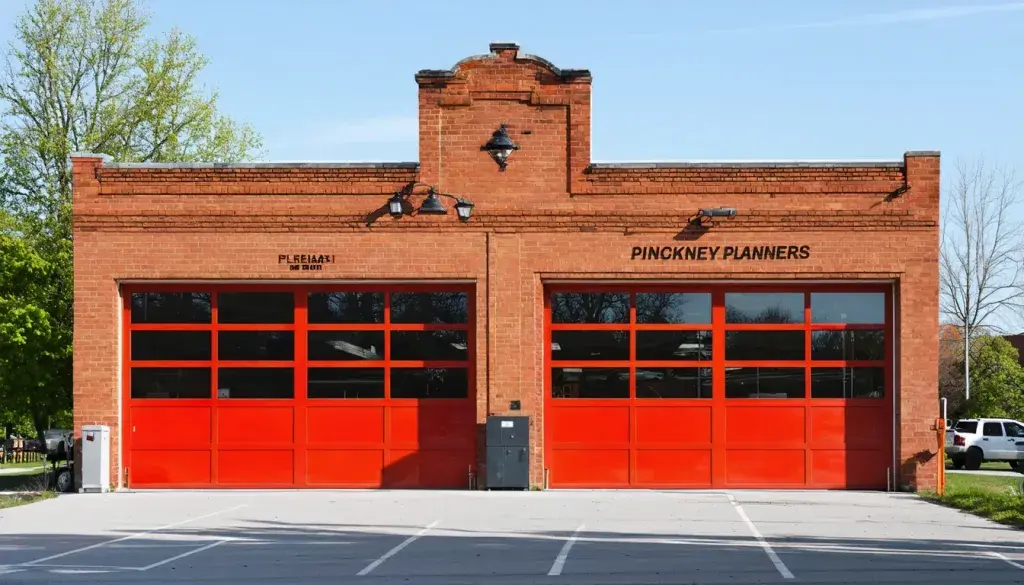
The Village of Pinckney Planning Commission has recommended approval for a special land use permit allowing a marijuana retailer to occupy the former Putnam Township Fire Station at 1066 E. M-36. This decision, made on July 7, advances to the Village Council on July 14, signaling a potential revival of long-discussed plans that could reshape local commerce and community spaces.
Key Developments in the Proposal
The commission's recommendation comes with specific conditions to ensure compliance with zoning and safety standards. This marks a second attempt by cannabis interests to claim the site, after earlier efforts stalled amid regulatory hurdles. Village President Jeff Buerman confirmed the council's upcoming review, highlighting the structured path forward.
- Site: 1066 E. M-36, previously a fire station now vacant.
- Date of recommendation: July 7.
- Next step: Village Council vote on July 14.
- Permit type: Special land use for retail cannabis.
Background on the Site and Cannabis Push
The former fire station embodies a classic case of adaptive reuse in small-town America, where public buildings transition to private enterprise amid shifting economies. Michigan's recreational cannabis legalization in 2018 has fueled such proposals, with over 700 licensed retailers statewide generating $3.8 billion in sales last year. Previous bids for this space faltered due to community concerns over proximity to residential areas and traffic, but evolving regulations now favor established sites like this one, reducing startup friction for operators.
Implications for Pinckney and Beyond
Approval could inject economic vitality into Pinckney, a village of about 2,500 residents, through jobs, tax revenue, and foot traffic—mirroring trends where cannabis outlets contribute up to 20% of municipal budgets in similar Michigan locales. Yet, it raises safety questions: proper distancing from schools and youth programs remains critical, as studies link retail density to variable public health outcomes. Success here might encourage further repurposing of underused civic structures, balancing fiscal needs with neighborhood harmony in the post-legalization era.
Future Outlook Amid Cannabis Expansion
As Michigan's market matures, with provisioning centers projected to grow 15% annually, sites like the old fire station represent low-risk entry points for retailers. Pinckney's move aligns with statewide normalization, where initial stigma yields to pragmatic benefits. Watch the July 14 council meeting for final word—this could set a precedent for how rural townships navigate cannabis-driven revitalization.