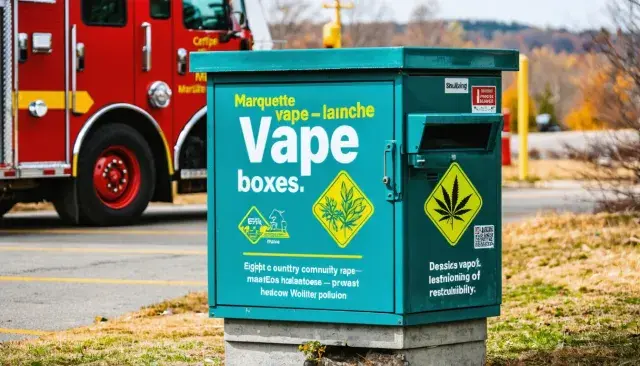
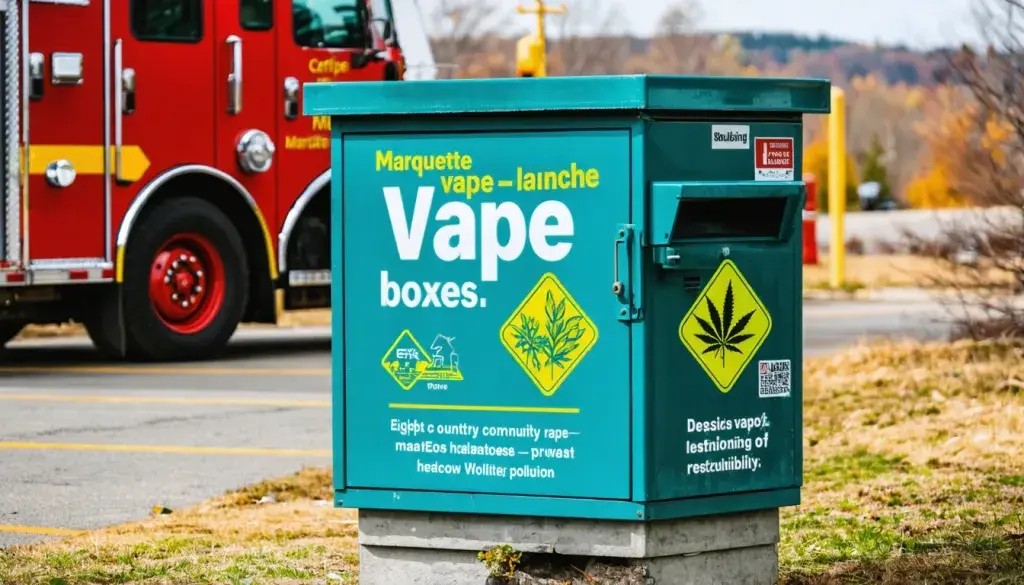
Starting March 4 in Marquette, Michigan, The Fire Station and the Copper Country Community Learning and Sustainability League (CSCLS) are deploying drop-off boxes for cannabis and nicotine vapes at key public spots. This initiative addresses a growing environmental crisis by preventing toxic residues from contaminating landfills, promoting safer waste management in a region embracing cannabis culture.
Strategic Locations for Easy Access
Residents can now responsibly dispose of empty vape cartridges without hassle. The program targets high-traffic areas to maximize participation:
- Peter White Public Library
- Superior Watershed Partnership Climate Office
- Multiple Circle K convenience stores
- Kenny’s Corner Store (also accepting nicotine vapes)
CSCLS Outreach Coordinator Chris Crouse emphasizes that even "empty" devices retain residual e-oils and electronic components, which leach heavy metals and chemicals into soil and water when landfilled.
The Hidden Dangers of Vape Waste
Vape cartridges pose unique risks due to their lithium-ion batteries, plastic casings, and nicotine or cannabinoid-infused liquids. In the U.S., billions of these disposables end up in trash annually, contributing to e-waste that rivals smartphone pollution. Michigan's vape market has surged post-cannabis legalization, amplifying local hazards—studies show e-liquid residues can contaminate groundwater with propylene glycol and flavoring agents linked to aquatic toxicity. Without proper disposal, Marquette's landfills risk becoming hotspots for microplastic and heavy metal buildup, mirroring national trends where vaping waste now accounts for up to 10% of some municipal e-waste streams.
Implications for Health, Environment, and Policy
This effort underscores a vital shift toward circular economies in cannabis communities. By diverting hazardous materials, Marquette reduces public health threats like battery fires in waste facilities, which injure workers nationwide. It also sets a precedent amid rising youth vaping rates—over 2 million U.S. teens use devices yearly—and supports sustainability goals. Broader trends show states like California leading with vape take-back laws, cutting landfill toxins by 30% in pilot programs. For Marquette, it's a proactive step linking recreation to responsibility.
Looking Ahead: Dispensary Recycling on the Horizon
The Fire Station aims to expand recycling directly at its dispensaries, navigating state regulations for safe handling. If successful, this could inspire statewide models, blending business innovation with environmental stewardship. Until then, these drop-offs offer an immediate win, urging vapers to prioritize planet over convenience.