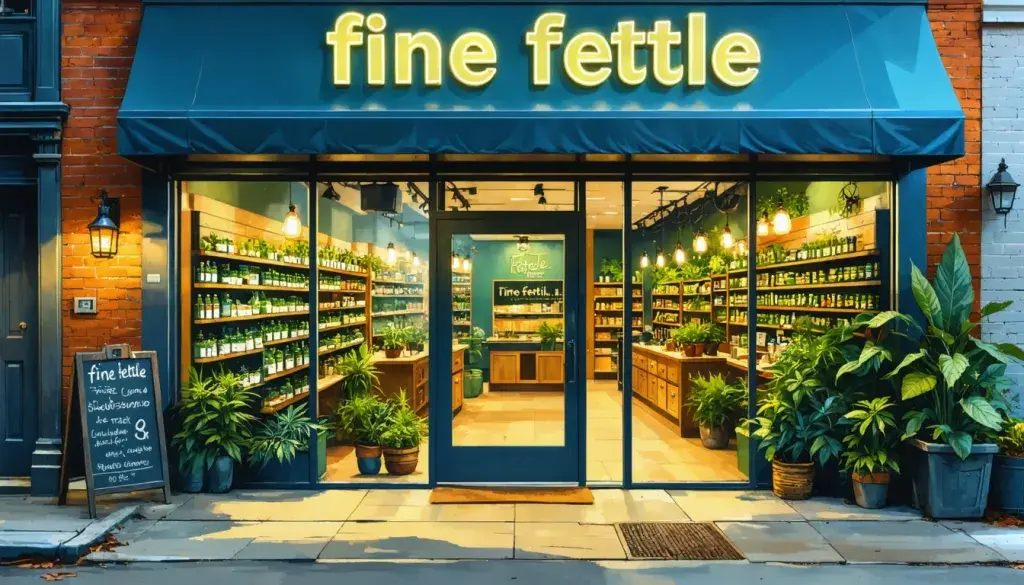
All nine Fine Fettle cannabis dispensaries in Connecticut will operate as hybrid facilities starting Thursday, accommodating both medical patients and adult-use customers. This shift follows state regulatory updates permitting recreational retailers to serve registered medical marijuana patients. The change addresses gaps in medical access while Connecticut's cannabis market navigates shifting sales dynamics.
Regulatory Shift Drives Dispensary Conversions
Recent amendments to Connecticut's cannabis rules allow adult-use retailers to function as hybrids, prompting Fine Fettle's full transition. Locations in Manchester, Norwalk, Old Saybrook, Waterbury, and West Hartford, which previously served only recreational buyers, now add medical services. The company's four existing hybrid sites complete the statewide rollout.
Declining Medical Sales Amid Adult-Use Growth
Connecticut's total cannabis sales dipped 1.2 percent to $290 million in 2025 from $293.6 million the prior year, despite an 11.8 percent rise in units sold to 8.69 million. Medical marijuana sales dropped sharply by 22.6 percent to $72.5 million, reducing its market share to 25 percent from 32 percent. Adult-use sales, however, climbed 8.8 percent to $217.5 million, reflecting broader consumer trends.
Enhanced Access for Medical Patients
Registered medical patients, who secure physician certification and state approval, benefit from lower taxes, pharmacist consultations, and higher purchase limits compared to recreational users. Fine Fettle Chief Operating Officer Benjamin Zachs emphasized regional access issues: “Patients shouldn’t have to travel far for care or be stuck with limited options.” He added, “With this model, we can responsibly serve both patients and customers while keeping Connecticut’s medical community strong.”
Broader Operations and Market Context
Fine Fettle manages dispensaries across Connecticut, Massachusetts, and Georgia, positioning it to adapt to evolving regulations. Medical programs maintain value through specialized services, even as recreational markets expand. This hybrid approach could stabilize patient access amid sales pressures, supporting a balanced cannabis ecosystem in the state.