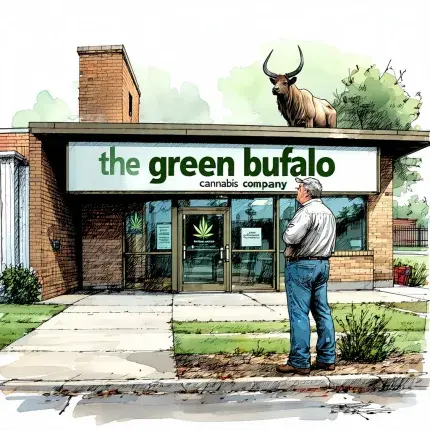
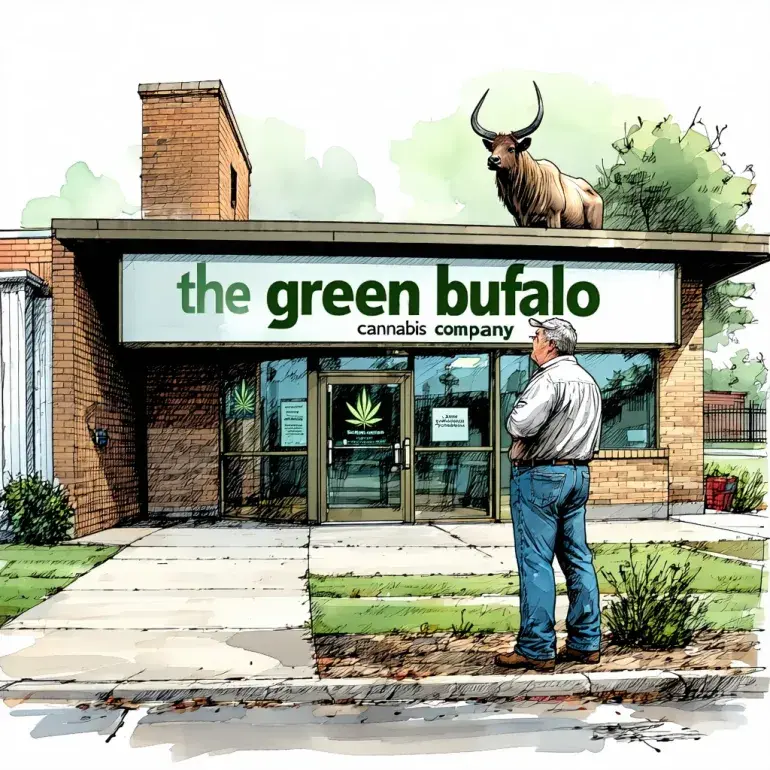
In El Reno, Oklahoma, local entrepreneur J.P. King faces a setback in launching The Green Buffalo Cannabis Company, as the city revoked his permit due to the site's location within 300 feet of a church—sparking debate over state legalization versus municipal restrictions. This clash highlights ongoing tensions in Oklahoma's rapidly expanding medical marijuana landscape, where patient access hangs in the balance.
The Permit Denial and Local Ordinance
J.P. King, a lifelong El Reno resident, secured a state license from the Oklahoma Medical Marijuana Authority (OMMA) and invested in full compliance measures, including security cameras, for his dispensary. Yet, the city invoked Ordinance 9161, adopted in September 2018, which bars retailers from operating near churches or places of worship.
- King's proposed site: Less than 300 feet from a church.
- State approval: Already granted, with OMMA only restricting sites within 1,000 feet of schools.
- City rationale: Protecting religious spaces from marijuana retail proximity.
King expressed devastation, emphasizing his commitment to the community he calls home, but now eyes legal action with attorney Brian Ted Jones.
State Question 788: Legalizing Access Amid Local Pushback
Oklahoma voters approved State Question 788 in 2018, legalizing medical marijuana and explicitly prohibiting cities from "unduly" altering zoning to block establishments. This framework has fueled explosive growth—Oklahoma now boasts over 10,000 licensed dispensaries, serving patients with conditions like chronic pain, anxiety, and epilepsy.
Despite this, municipalities like El Reno and nearby Yukon have enacted similar ordinances, prompting lawsuits. Experts note that while schools are uniformly restricted under state rules, churches fall into a gray area exploited by locals wary of cannabis normalization. Such restrictions disproportionately impact rural areas like El Reno, where fewer viable locations exist, limiting patient access to vital therapies.
Broader Implications for Oklahoma's Cannabis Ecosystem
This dispute underscores a national pattern where state-level medical cannabis victories clash with conservative local sentiments. In Oklahoma, the industry generates billions in revenue and thousands of jobs, yet zoning battles erode these gains. Patients relying on cannabis for health management—backed by studies showing efficacy in reducing opioid use—face barriers that could drive them to unregulated sources.
- Industry scale: Over 2,200 licensed growers and processors statewide.
- Patient growth: More than 2 million active medical marijuana cards.
- Legal precedent: Similar challenges have overturned restrictive ordinances elsewhere.
For communities like El Reno, resolving this could mean embracing economic opportunities while safeguarding public health through regulated retail.
Outlook: Litigation and Policy Reform Ahead
King hopes for voluntary city compliance but prepares for court, mirroring Yukon's pending lawsuit. Attorney Jones argues SQ 788 empowers voters' intent, potentially invalidating non-compliant rules. As Oklahoma refines its program—recent OMMA updates streamline licensing—expect more clarity on local overreach. Ultimately, balancing community values with medical access will define the state's cannabis future, ensuring patients aren't caught in regulatory crossfire.