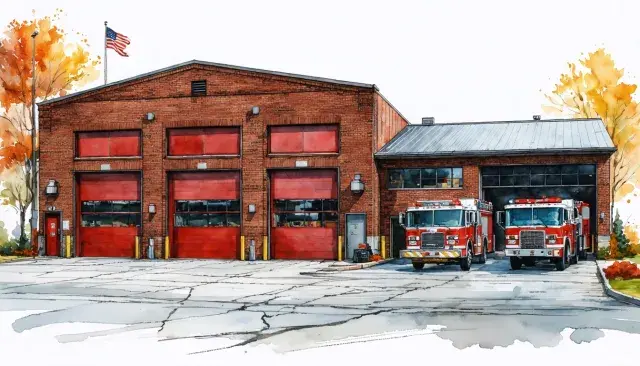
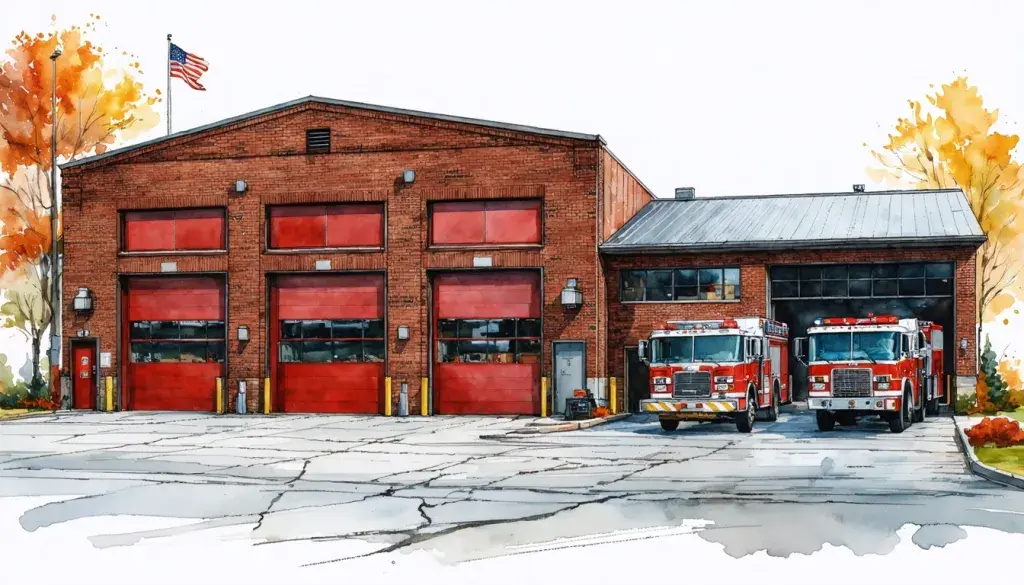
In Elk River, Minnesota, the city council recently reviewed designs for a new $20 million Fire Station 1, marking the end of service for a 1971-built facility that has protected the community for over 50 years. This upgrade addresses critical safety gaps and positions the city for future growth, ensuring faster response times and healthier conditions for firefighters.
Challenges of the Aging Infrastructure
The current station at 415 Jackson Ave., expanded in 1989 and 2006, has reached the end of its useful life. Persistent issues like leaking roofs, narrow bays unfit for modern apparatus, obsolete electrical systems, and outdated plumbing compromise operations and safety. Experts in public safety infrastructure note that such aging facilities are common across U.S. municipalities, where post-WWII buildings now face deferred maintenance amid rising call volumes—fire departments nationwide report a 20-30% increase in emergency responses over the past decade.
- Roof leaks causing structural damage
- Bays too narrow for current trucks
- Obsolete electrical and plumbing systems
Key Features of the New Fire Station
CNH Architects, experienced in seven to eight similar projects, is designing the replacement at Jackson Avenue and School Street. The seven-bay facility will prioritize firefighter health with dedicated decontamination zones, drive-through bays for efficient apparatus movement, spacious training classrooms, and ambulance operations areas. These elements align with modern standards from the International Association of Fire Chiefs, reducing cancer risks from toxin exposure—a leading cause of firefighter deaths—and improving overall department readiness.
- Large classrooms for training and public education
- Drive-through bays for modern equipment
- Health-focused decontamination spaces
Project Timeline, Costs, and Developments
Terra Construction manages the project at risk, alongside a $6 million city liquor store and cannabis dispensary. Construction starts in April for both, with the fire station operational well into 2027. The council provided feedback on designs, debating full build-out versus phased expansion, with decisions slated for November. At $20 million, the investment reflects broader trends in municipal budgeting, where fire infrastructure upgrades average $200-300 per square foot nationally to meet NFPA codes.
Implications for Community Safety and Growth
This replacement signals Elk River's proactive stance on public safety amid suburban expansion. Modern stations enhance response efficiency, potentially cutting emergency times by 10-15% through better layouts, and support wellness initiatives amid firefighter shortages. As communities nationwide grapple with $2.5 trillion in infrastructure deficits, Elk River's move exemplifies how targeted investments safeguard lives, bolster resilience, and accommodate future demands like electric vehicles and hazmat responses.