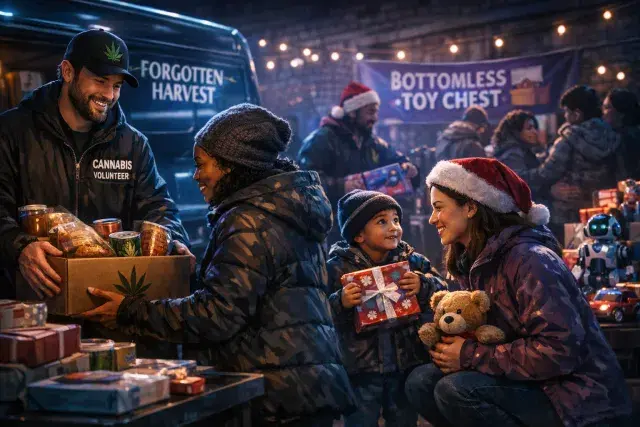
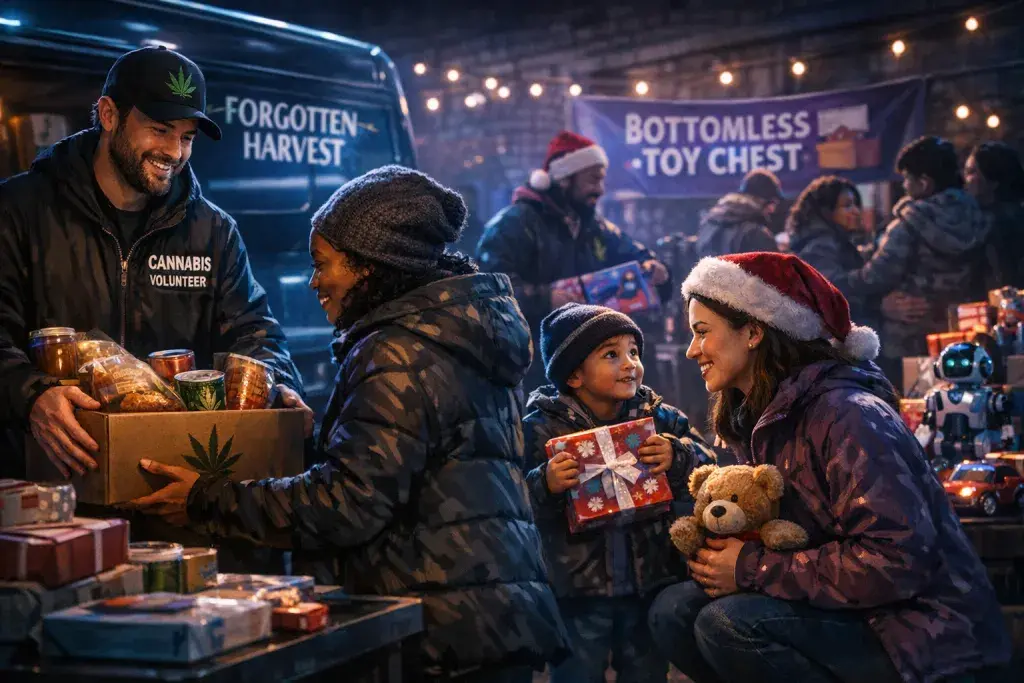
Recreational cannabis companies have joined forces with nonprofits such as Forgotten Harvest and Bottomless Toy Chest to deliver food and toys to struggling families during the holidays. This initiative channels industry profits into direct community support, addressing food insecurity and child poverty amid rising costs. Such efforts highlight a shift in how legalized cannabis firms contribute to local welfare.
Roots in Cannabis Industry Philanthropy
The recreational cannabis sector emerged from decades of stigma and prohibition, yet legalization in states like Michigan has enabled businesses to build stable operations. Companies now direct a portion of revenues toward social causes, drawing from a tradition of community reinvestment seen in other regulated industries. Forgotten Harvest, a food rescue organization, recovers surplus groceries to distribute millions of meals annually, while Bottomless Toy Chest collects and provides new toys to children in need. Partnerships like these allow cannabis firms to support these groups' missions without relying solely on traditional donors.
Addressing Holiday Hardships
Holidays amplify financial pressures for low-income households, where basics like meals and gifts often fall short. Food banks report surges in demand as unemployment and inflation persist, making collaborations essential. Cannabis businesses offer resources—funds, volunteers, or in-kind donations—that nonprofits leverage to expand reach. This model sustains aid year-round but peaks in winter, when isolation and cold weather compound vulnerabilities. Recipients gain not just material help but a sense of communal care during festive periods.
Broader Implications for Corporate Responsibility
These alliances signal cannabis companies' maturation beyond profit motives, fostering goodwill in communities once wary of the industry. Legalization has normalized such giving, with firms integrating philanthropy into operations to build trust and compliance. Challenges remain, including regulatory scrutiny and uneven access to benefits across regions. Still, the approach sets a precedent: industries tied to past controversies can drive positive change. As holidays conclude, sustained partnerships promise ongoing support, aligning business success with societal needs.